Science Based Foundational Reading
Resources
Posted inBlog
Structured Literacy: What It Is and Why It Matters
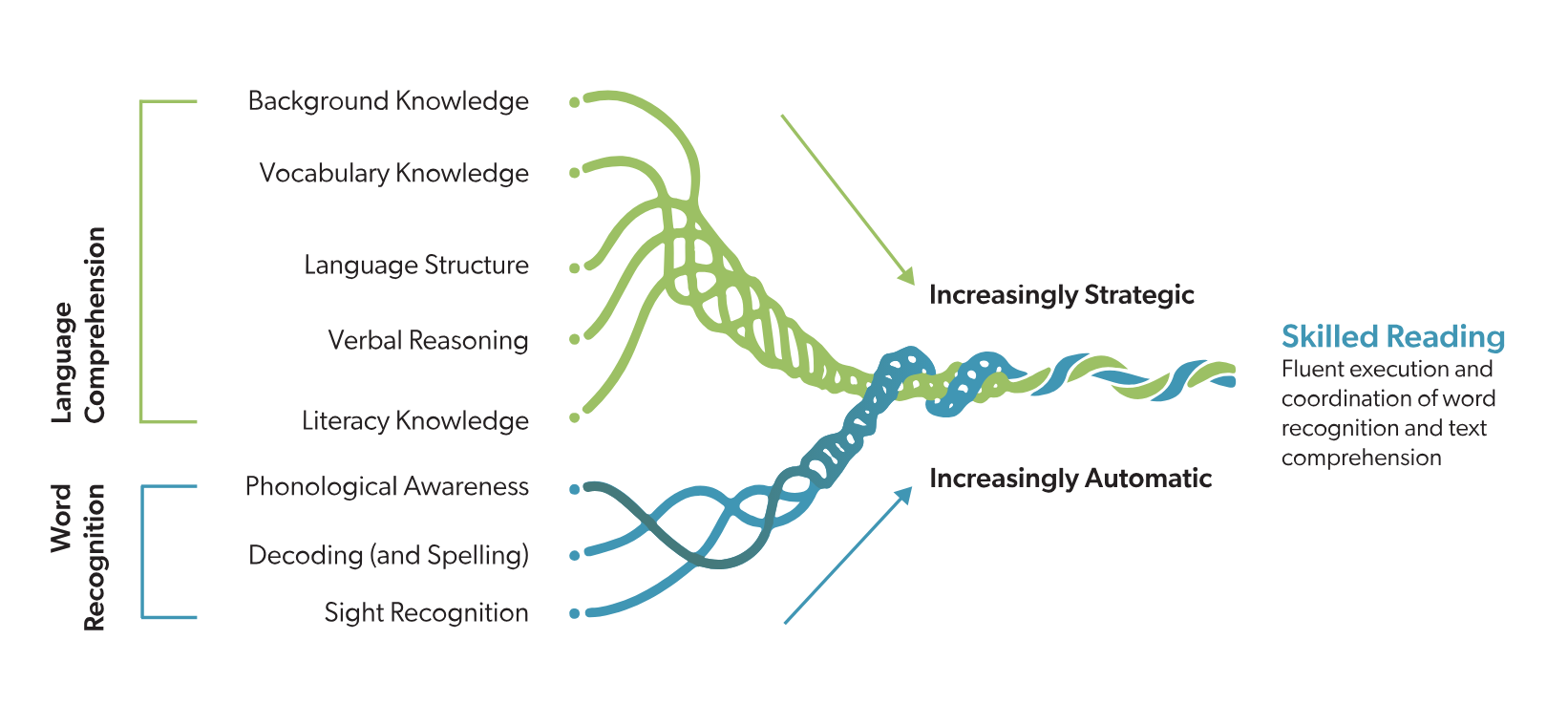
Little Literacy Controversies: Big Ideas to Find Common Ground
Tyler Independent School District Research Study
Story Swap Zoom Chat Recording
Summer Learning Webinar Recording
Sound Wall Webinar Recording
Spotlight on Dyslexia: Education, Advocacy, and Support
Informing and Transforming with Kindness, Patience, and Consideration
Who Needs to Know What? Teachers and Students—Different Needs!
Literacy Legislation: Challenges, Changes, and Choices
New Perspectives on the Orton-Gillingham Approach
All the Buzz from Plain Talk About Literacy and Learning 2024
A Big Conversation about Small Group Instruction
Valuable Words About Vocabulary, with Special Guest Dr. Elfrieda Hiebert
Cleveland County Research Study

Posted inBlog
Building Parent-Teacher Relationships to Boost Student Reading Ability
Posted inBlog
ELL Instructional Strategies: Improving Vocabulary Improves Reading Fluency
Posted inBlog
Components of an Effective ESL Reading Curriculum—Insights from Former TESOL President
FEATURED
Posted inBlog
Building a Supportive Partnership through Blended Professional Learning
Posted inBlog
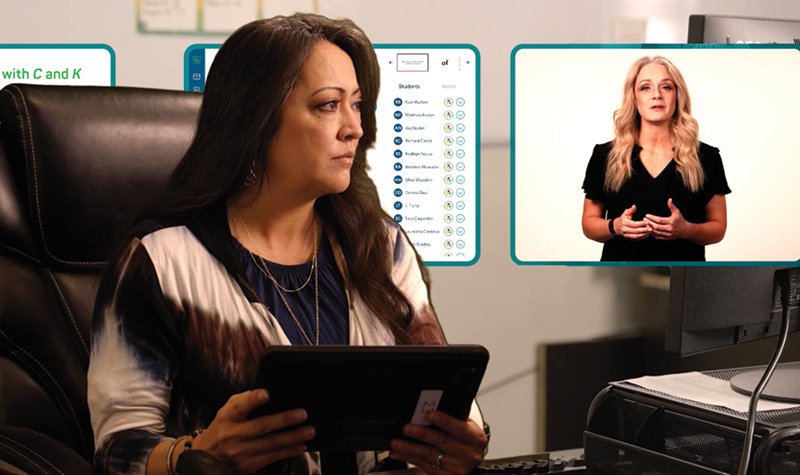
5 Transfer Tips from Science of Reading Educators
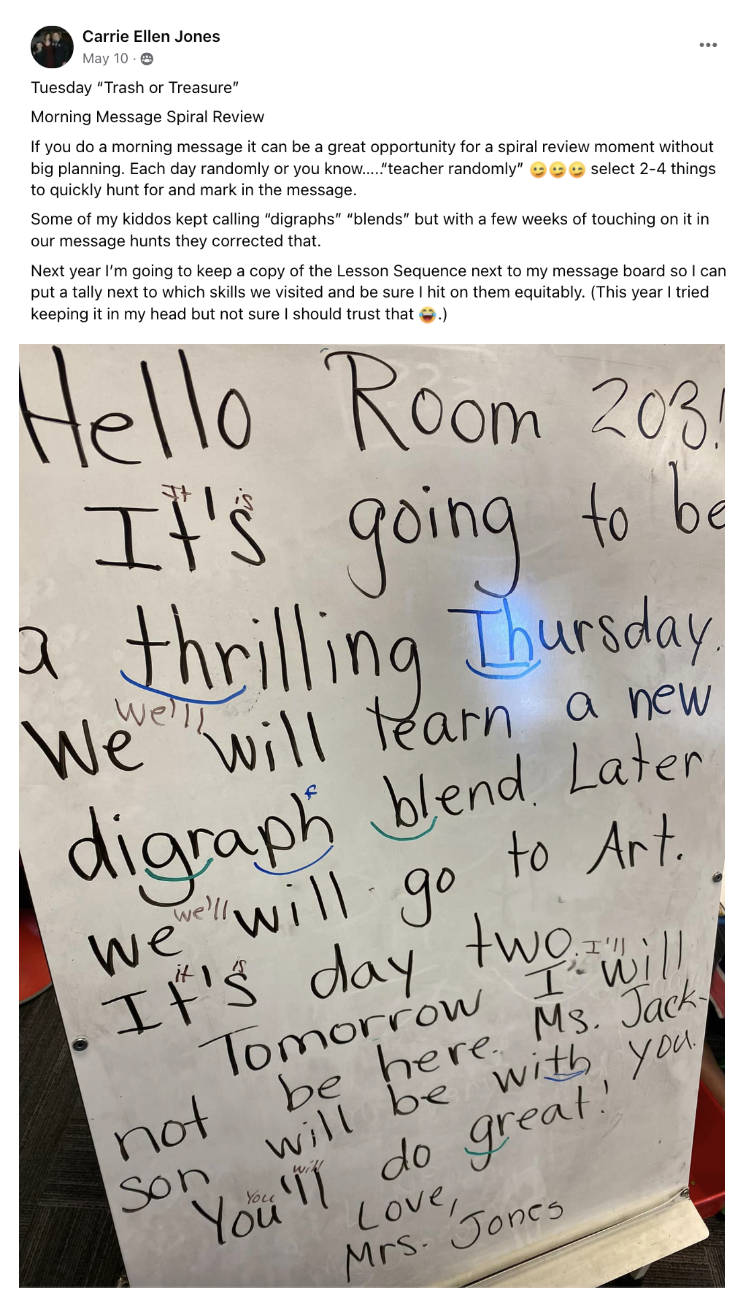
The Write Stuff: Handwriting Instruction and Why It Matters for Literacy
ICYMI: The Reading League Conference 2023
Can We End “the Reading Wars?” Part Four—Comprehension Takes Center Stage
Posted inBlog
My Why | Bridging Passions: The Perfect Blend of Literacy and Technology | Kristi Knight

Posted inBlog
Revolutionizing K–3 Literacy
Can We End “the Reading Wars?” Part Three—What is Skilled Word Reading?
Can We End “the Reading Wars?” Part Two—Cracking the Alphabetic Code
Can We End “the Reading Wars?” Part One of a Four-Part Article Study
Posted inBlog
10 Must-Haves for Your Science of Reading Classroom
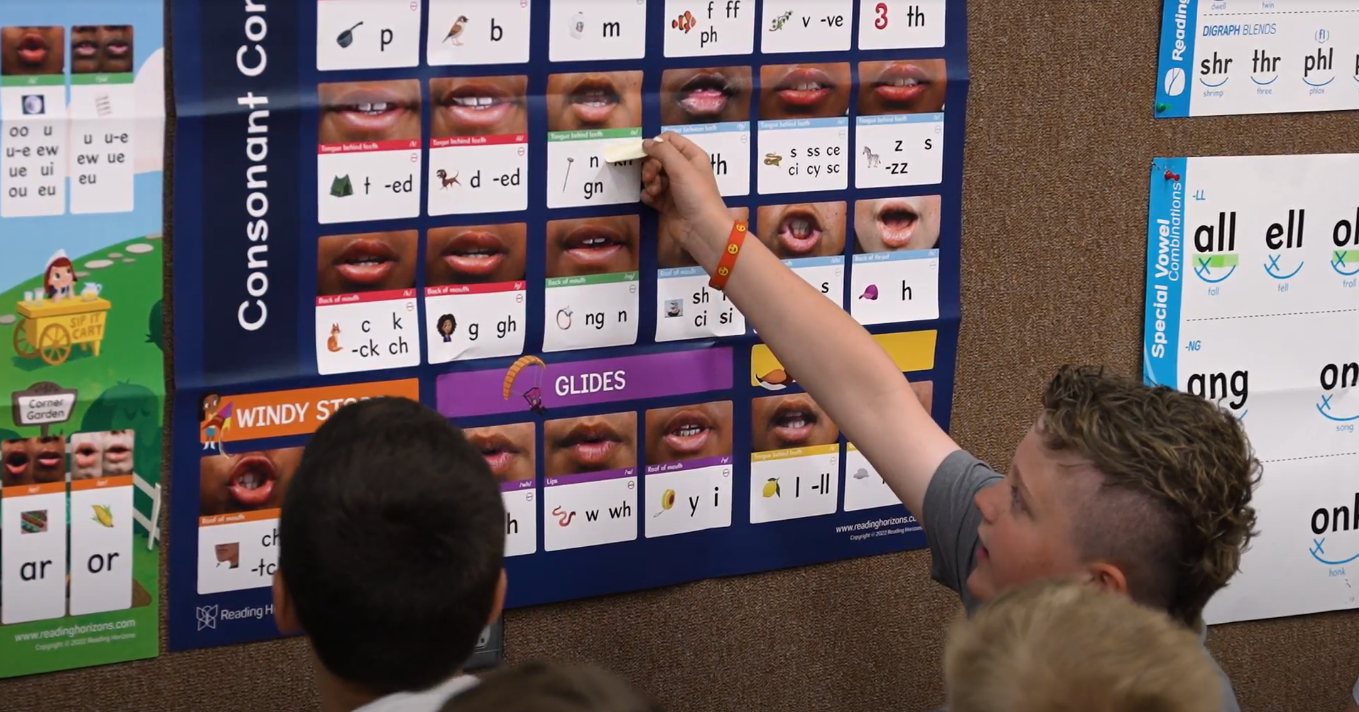
A Mighty Moving Episode With Lindsay Kemeny
The Story Gets Better With Special Guest Emily Hanford
We’ll Level With You: Unpacking the Reading Level Research
On Levels: A Candid Conversation with Guest Dr. Matt Burns
The Facts Matter: Data and Insights to Guide Your Back-to-School Approaches
Welcome Back…to School!
Posted inBlog
The Five Must-Know Phonetic Skills
Posted inBlog
Why and How to Use Nonsense Words When Teaching Reading
Lights, Camera, Literacy! Must-Watch Films about the Need to Read
When Students Need More: Techniques and Triumphs
Set for Variability: Making Irregular Words a Regular Success
Plain Talk 2023: Growing Literacy Momentum
Helping Hands: Bringing Families and Caregivers into Literacy Learning
Posted inBlog
Empowering Striving Readers for Academic Success

Space and Grace: The Drive for Improvement
Reading: The Numbers Help Tell the Story
More Than a Few Words About Vocabulary
Encouraging a Love of Reading
IDA 2022 Conference Recap
Posted inBlog
Dr. Anita Archer’s Five Favorite “Archerisms”

Being Intentional about the “Why!”
Brave Voices for Literacy
Are We Overcorrecting? Making a Case for Clearing the Confusion
Field Trip: Literacy Talks at The Reading League Conference
Writing: Words of Wisdom about Developing Students’ Early Writing Skills
Posted inBlog
10 Must-Haves for Your Science of Reading Classroom
Posted inBlog
14 Activities That Increase Student Engagement During Reading Instruction
Sharing the Knowledge: A Recap from the Society for the Scientific Study of Reading Conference (SSSR)
Posted inBlog
How a Classroom Sound Wall Boosts Early Literacy
Dyslexia: What Every Teacher Needs to Know
Posted inBlog
8 Classroom Accommodations for Dyslexia (That Benefit ALL Students)
Posted inBlog
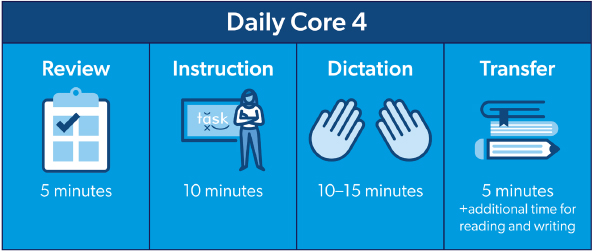
Enhancing Foundational Reading Skills Through Small Group Centers
Posted inBlog
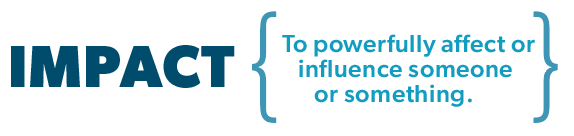
Impacting Reading Proficiency
Posted inBlog
Teaching High Frequency Words: The Science of Reading’s Breakthrough Instructional Practice
Posted inBlog
Addressing Unconscious Bias with Active Listening

Posted inBlog
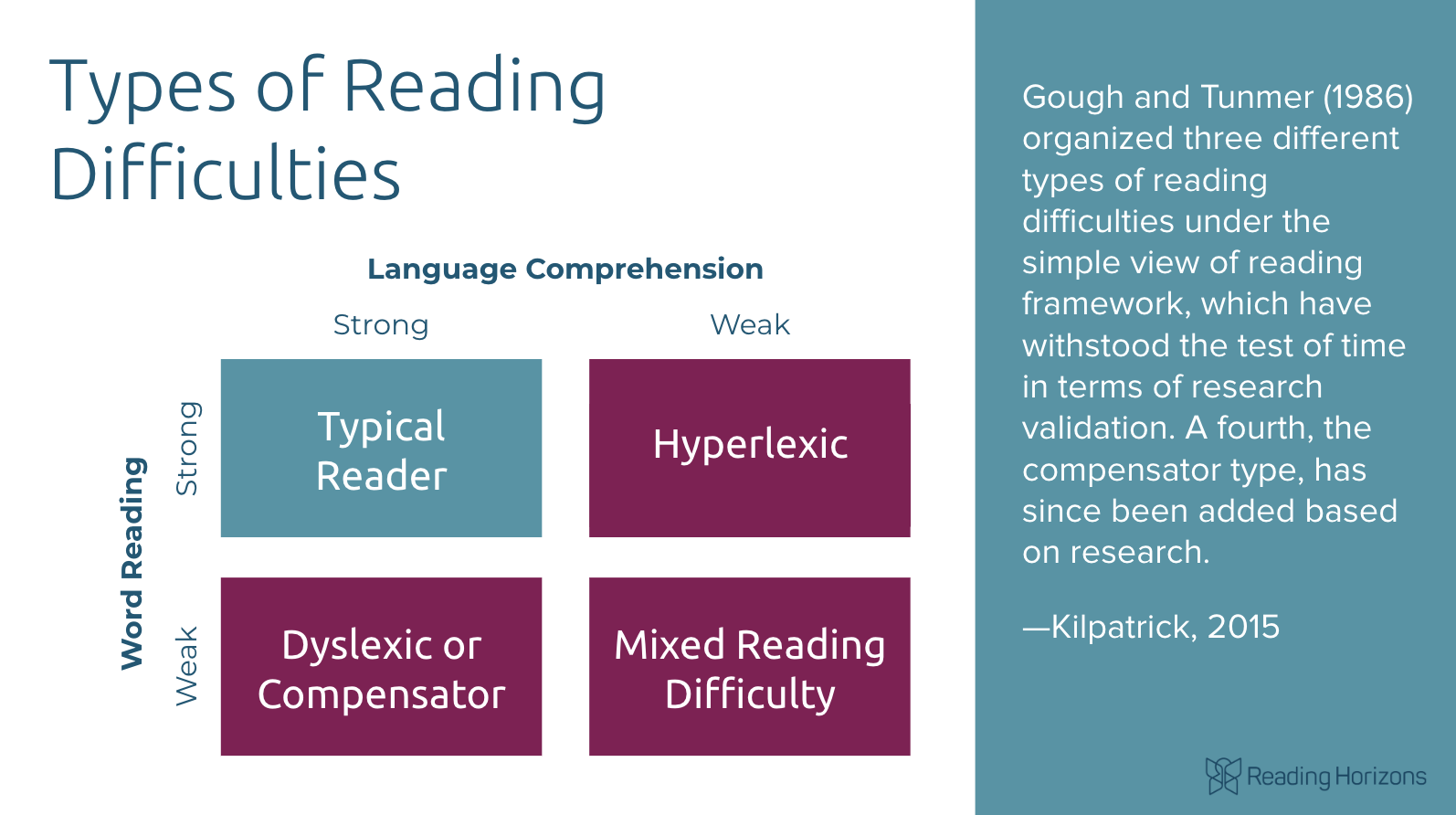
Aligning IEP Goals with the Science of Reading
Posted inBlog
The Science of Reading: How to Eliminate Grade Retention
Words of Wisdom: A Special Literacy Talks Episode with Dr. Anita Archer
Game-Changer: A Book Talk about Speech to Print: Language Essentials for Teachers
Professional Learning: What Reading Teachers Need Most…Now.
Spelling: It’s a Literacy Teaching Opportunity
Teaching: Where Science and Art Connect
Posted inBlog
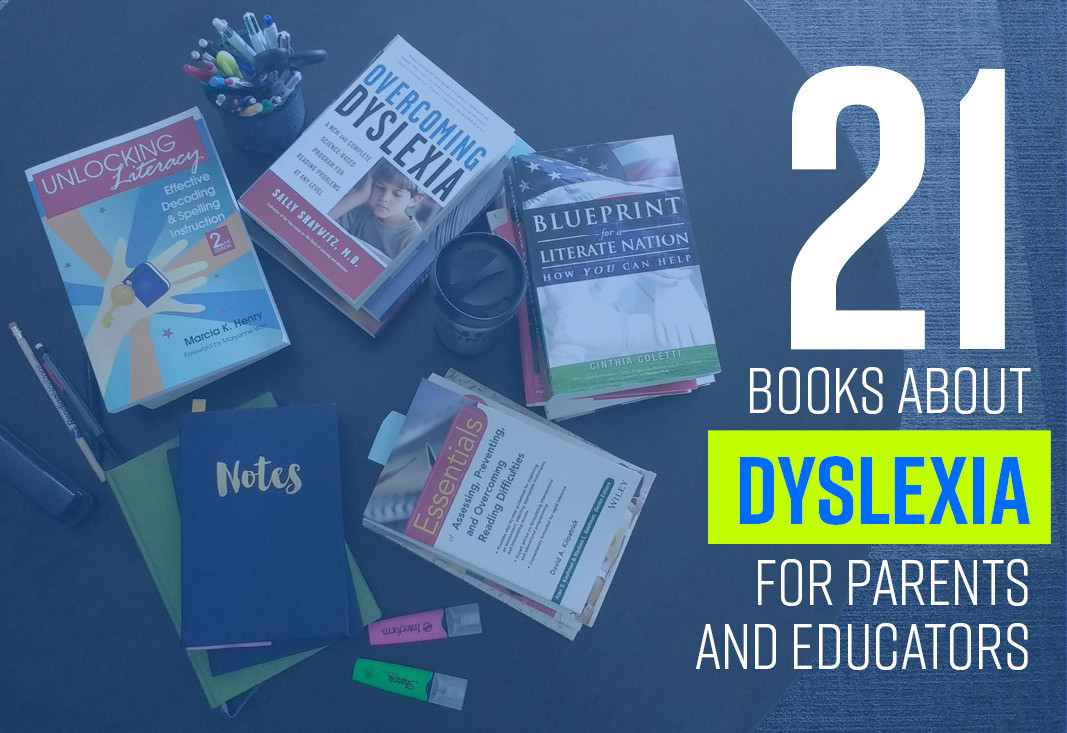
21 Helpful Books About Dyslexia for Parents and Educators
Educator Knowledge: The Essential Element of Literacy Success
Phonics Lessons: The Important Elements Every Teacher Can Include
Posted inBlog
What Is the Best Way to Teach ESL Students? Submersion vs. Immersion
Posted inBlog
6 Elements of Effective Differentiated Reading Instruction
Posted inBlog
Seven Ways to Increase Student Engagement in the Classroom

Posted inBlog
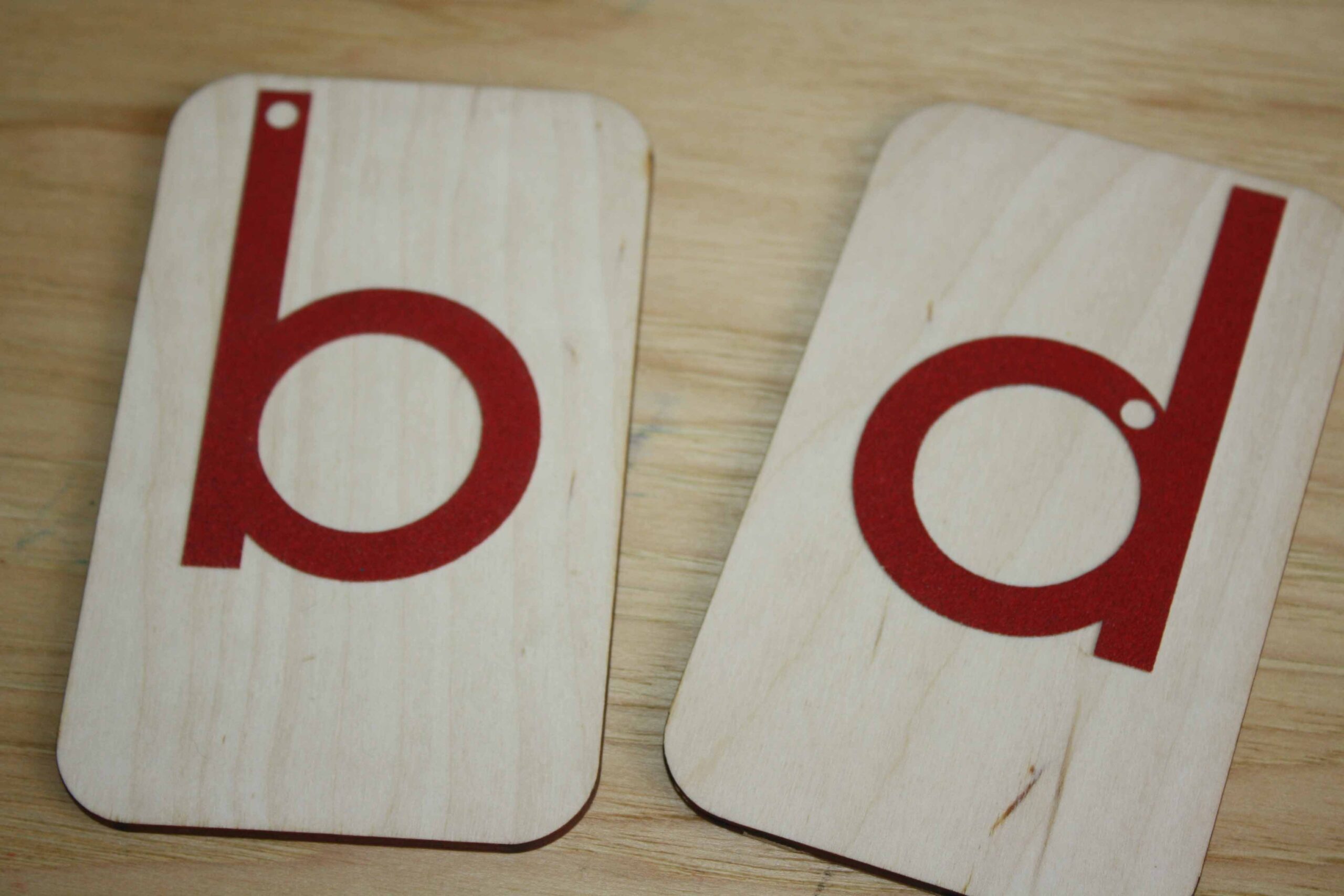
4 Tricks for Helping Students Correct b/d Letter Reversals
Posted inBlog
The Four Keys to Motivating Struggling Readers
Posted inBlog
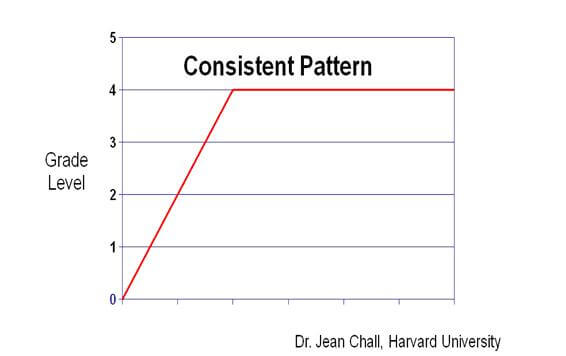
How Should Sight Words Be Taught? With Phonics or Memorization?
Posted inBlog
Reading Research: The Educational Benefits of Fiction-Based Texts

Posted inBlog
The Real Reason Striving Readers Get Tired of Trying
Posted inBlog
Approaches for Teaching ESL Students: Prediction vs. Decoding

Hear Here! The Sound Wall and Its Connections to Speech-to-Print Instruction
Bridging Research to Practice: The Need to Focus on the “How” for Classroom Teachers
Posted inBlog
How to Make ESL Reading Instruction Effective

MTSS in the Spotlight
Reading about Reading: The Books that Make A Professional Difference
Plain Talk: Sharing Our Plain Talk Conference Takeaways
Posted inBlog
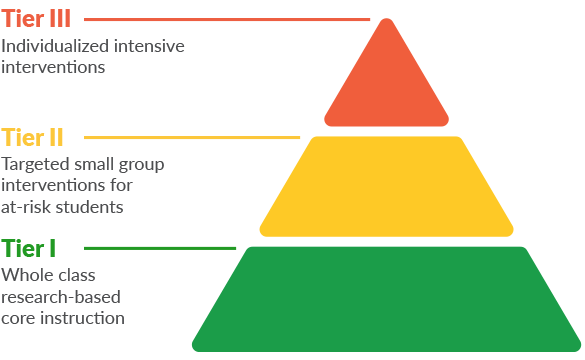
What is the Difference Between RTI and MTSS?
Posted inBlog
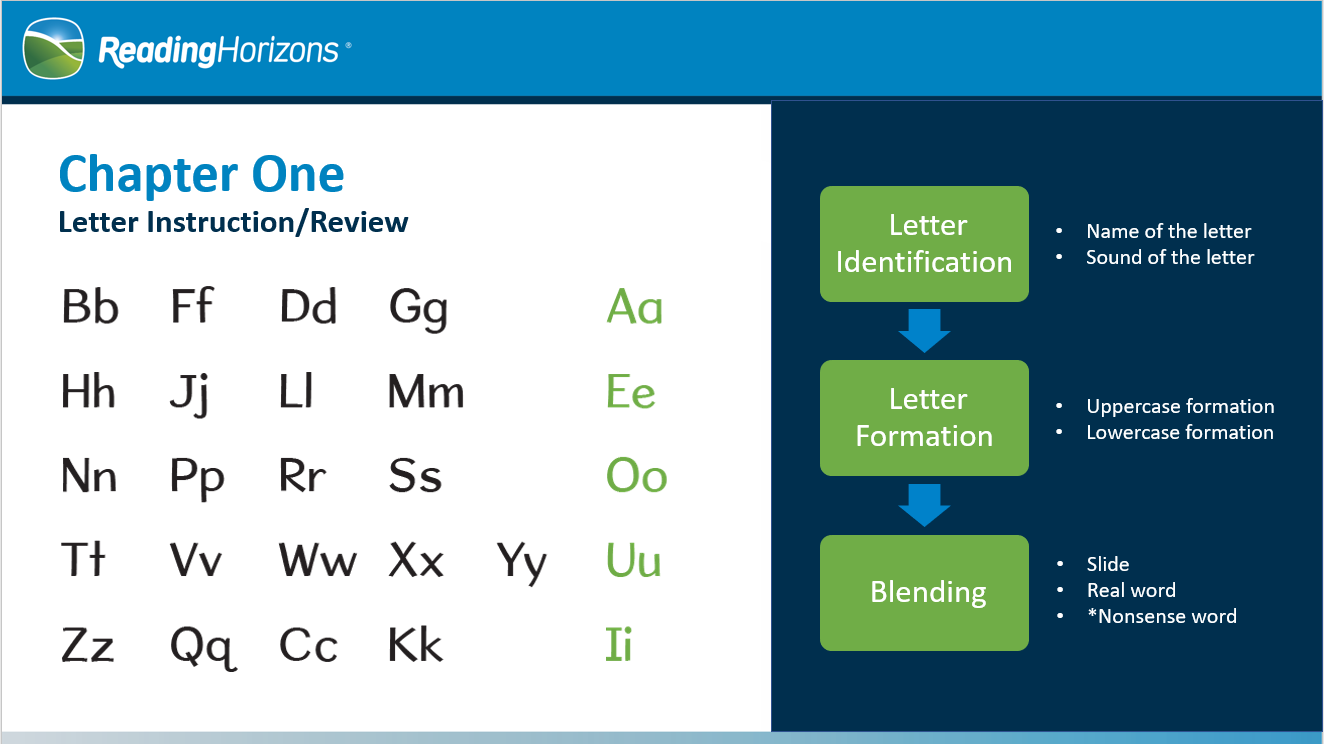
17 Rules for Making Your Reading Curriculum More Helpful for Struggling Readers
Posted inBlog
Using Universal Screening for Dyslexia to Improve Reading Performance District-Wide
Posted inBlog
6 Ways to Motivate Reluctant Readers to Read
A Movement Building Momentum: Supporting Our Colleagues in the Science of Reading
Posted inBlog
10 Tips for Aligning Your Curriculum to the Common Core State Standards

Posted inBlog
5 Ways to Help Students with Dyslexia Improve Their Spelling
Legislating Literacy: Legislation Can Support Improved Literacy Achievement
Posted inBlog
10 Powerful Quotes About Reading, Literacy, & Good Books

Posted inBlog
What’s the Difference Between ESL, EFL, ESOL, ELL, and ESP?
A Little Bit of Myth Busting: The Pet Peeves of Reading Experts
Posted inBlog
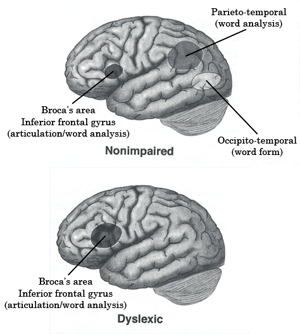
What Causes Dyslexia? An Overview of 5 Theories
Posted inBlog
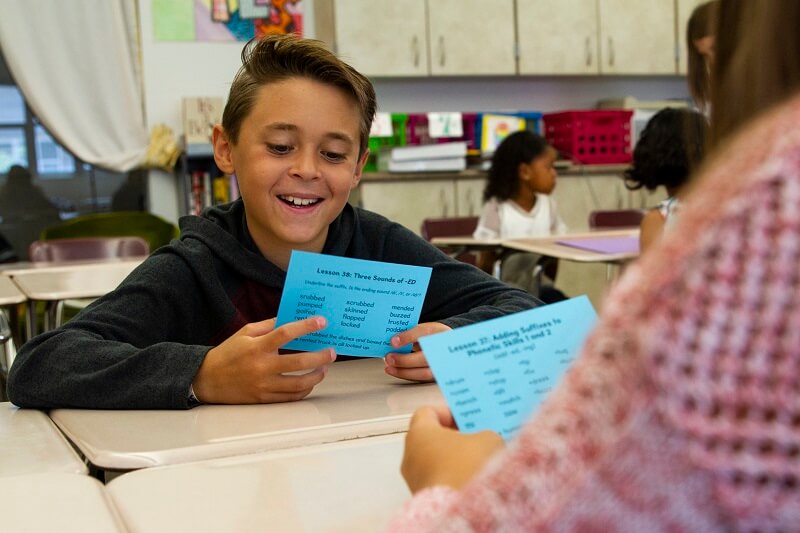
The Ideal Response to Intervention (RTI) Implementation—Tips From the Experts
Posted inBlog
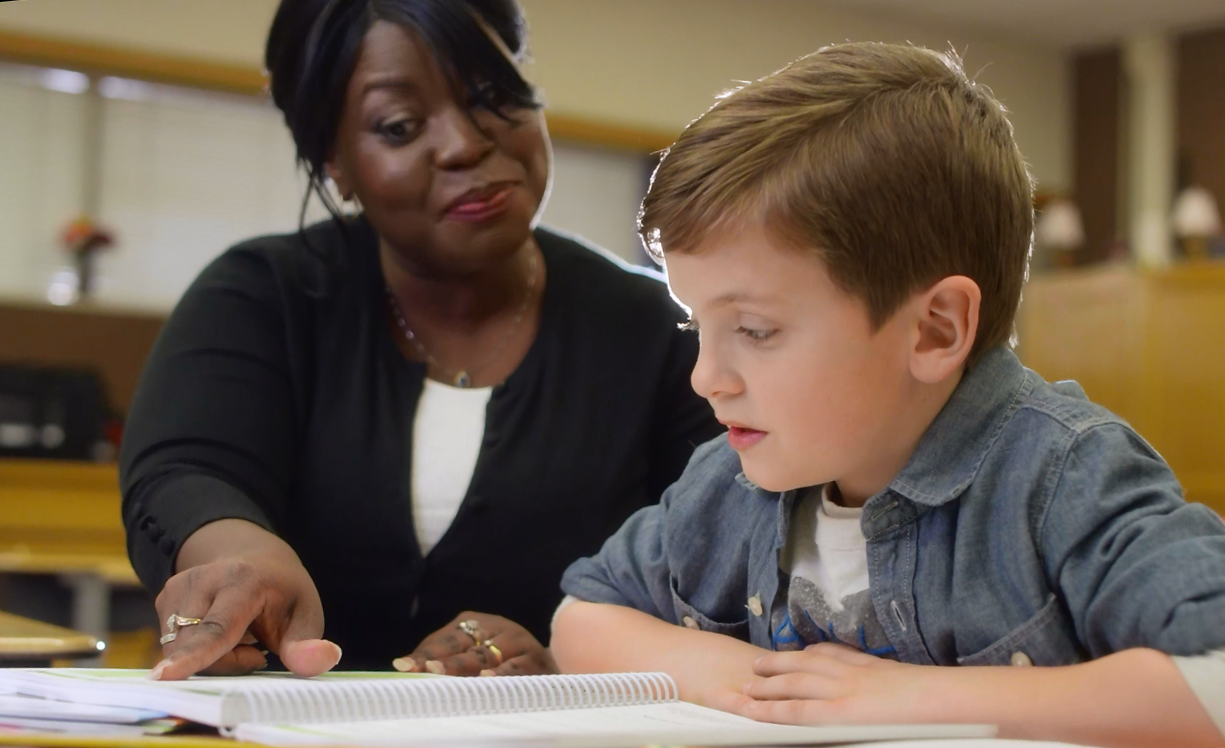
Choosing the Right Reading Curriculum for Students in Special Education
Posted inBlog
Using Word Sorts to Help Students Recognize Word Patterns

Posted inBlog
Five Ways to Create an Optimal Learning Environment for Students

Decodable Text: Training Wheels for Reading
Posted inBlog
21 Tips from Teachers on Using Reading Horizons
Posted inBlog
4 Key Differences in Teaching ESL to Adults vs. Children

Posted inBlog
Supporting ESL Students: 10 Tips For Mainstream Teachers

Posted inBlog
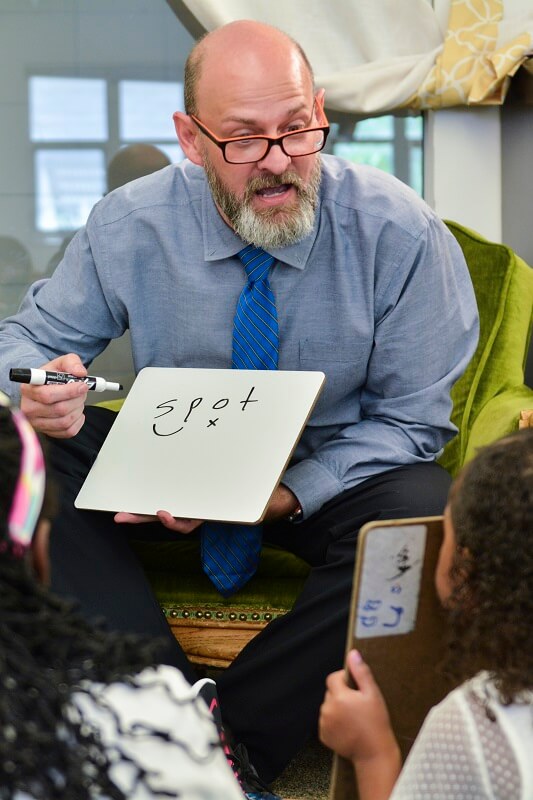
From Good to Great: 9 Ways to Boost District-Wide Literacy Performance
Posted inBlog
Modifying Reading Instruction to the Needs of Various Special Education Students

Posted inBlog
Pacing Your Reading Curriculum to Student Mastery Instead of a Calendar | Q&A

Rethinking How We Teach Sight and High Frequency Words
Posted inBlog
Boosting Student Engagement by Creating a Culturally Competent School or Classroom

Posted inBlog
Inside Dyslexia: What You Need to Know About 20% of Your Students

Posted inBlog
Building Motivation in Students Who Have Dyslexia or Other Reading Difficulties
Posted inBlog
8 Ways to Celebrate “Get Caught Reading Month” in Your Classroom/School

Posted inBlog
Shifting from a Teacher-Centered Classroom to a Student-Centered Classroom

Posted inBlog
Improve Student Performance with Parent-Teacher Engagement

Posted inBlog
Teaching Students to Transfer Decoding Skills to Writing

Posted inBlog
14 Tips for Fine-Tuning Your Virtual Reading Instruction

Posted inBlog
Nurturing the Social and Emotional Needs of Students with Dyslexia

Posted inBlog
How to Identify Dyslexia in the Classroom
Posted inBlog
The Importance of Reading Aloud to Students of All Grades and Levels

Posted inBlog
10 Qualities of Effective Teachers that Help Students Improve Their Reading Skills
Posted inBlog
3 Ways Poor Reading Skills Impact 68% of 4th Graders
Posted inBlog
Six Characteristics of Effective Reading Teachers
Posted inBlog
5 Fun Classroom Reading Activities for Engaging English Language Learners

Posted inBlog
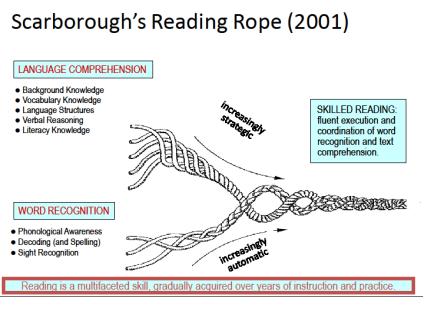
Avoid This Common Mistake When Selecting a Core Reading Program
Posted inBlog
One 2-Minute Task That Can Drastically Boost a Striving Reader’s Success
Posted inBlog
Dramatically Improve Spelling & Vocabulary Test Performance With A Simple Process

Posted inBlog
How Should You Teach Exceptions to Phonics Rules?

Posted inBlog
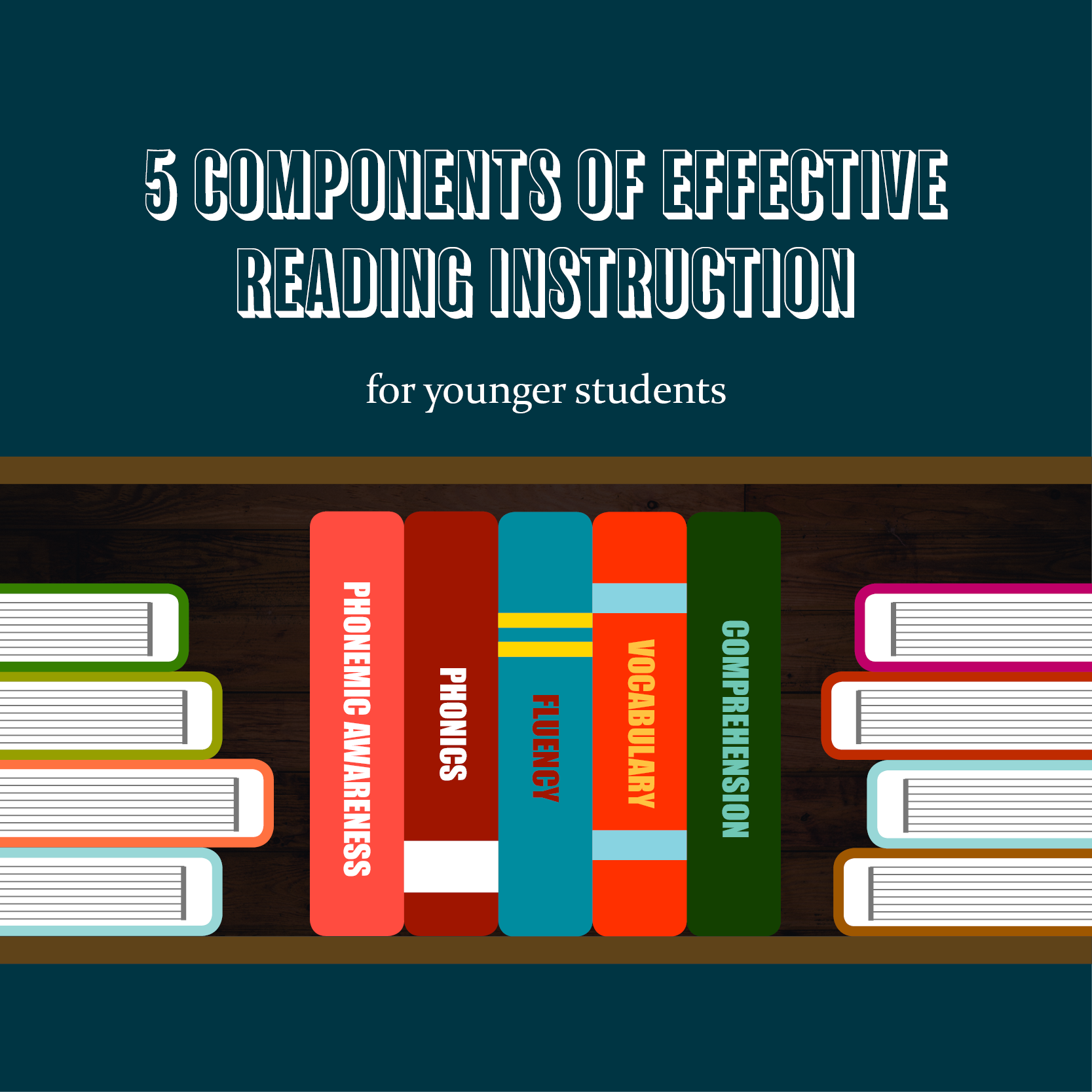
5 Elements of Effective Reading Instruction
Posted inBlog
10 Book Memes for “Get Caught Reading Month”

Posted inBlog
14 Activities That Increase Student Engagement During Reading Instruction
Posted inBlog
7 Ways to Support Students with Dyslexia at Your School or District
Posted inBlog
How to Make ESL Reading Instruction Effective
Posted inBlog
Tips for Supporting Children with Dyslexia
Posted inBlog
When & Why It Is Effective to Let Your Students Struggle With Difficult Words
Posted inBlog
The Importance of Review in Explicit Phonics Instruction
Posted inBlog
The Crucial Components of Effective Multisensory Reading Instruction
Posted inBlog
The Importance of Correctional Education – 17 Facts About Inmate Literacy [INFOGRAPHIC]
Posted inBlog
4 Tricks for Helping Students Correct b/d Letter Reversals
Posted inBlog