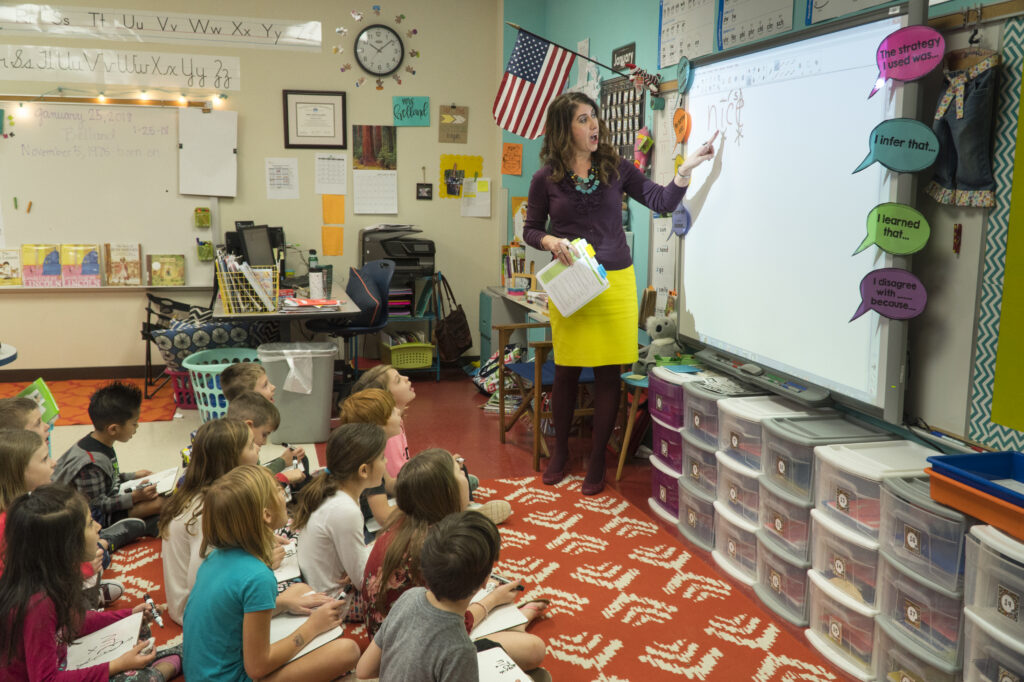
“I just did a major research study here in Massachusetts that verified this - that in general, most kids with disabilities do better in inclusive settings, particularly if they get the supports that they need, significantly better.
So the move towards integration or inclusion or mainstreaming - clearly has some support in the data."
- Thomas Hehir, former director of the U.S. Department of Education’s Office of Special Education Programs and current professor at Harvard’s Graduate School of Education
This quote is from a recent NPR interview about mainstreaming special needs students. Here is the complete interview:
As pointed out by Thomas Hehir, mainstreaming is beneficial for special needs students. Of course, like any practice, it is only beneficial if it is done effectively. Thus, here is what Thomas Hehir’s research has found to be the best practices for inclusion classrooms:
1. Use resources to help improve the instruction of all students.
“In the book that I just finished on inclusive schools, there are several things that emerge from these schools that I think other schools can do. Number one, they look at their resources as in a sense all being devoted to improving the instructional program for all kids. They don't look at the special ed budget or the bilingual budget. There is a budget for the schools, and the schools use those resources effectively.” – Thomas Lehir
2. Value students with disabilities, value the inclusion of children with disabilities.
“Secondly, the principals of those schools and the teachers of those schools value disability, [and] value the inclusion of children with disabilities.” – Thomas Hehir
It is difficult for any initiative to be effective if the participants are not on board. Mainstreaming special needs students is not going to be beneficial if the principals and teachers don’t value special needs students – this will only create a negative environment for these students.
3. Train teachers to deal with the special needs population.
Here are some parts of the interview touching on the training that most teachers receive to work with the special needs population:
CLAUDIO SANCHEZ (NPR’s education correspondent): Most teachers are poorly trained to deal with this population, if they're trained at all, and special ed teachers are very hard to find. They're in short supply.
Now, it's important to mention here that the range of disabilities or learning disabilities, physical - is enormous. And we're talking about kids with ADHD, autism, developmental, emotional, behavioral disorders, dyslexia, deaf and blind kids. I mean, it covers everything.
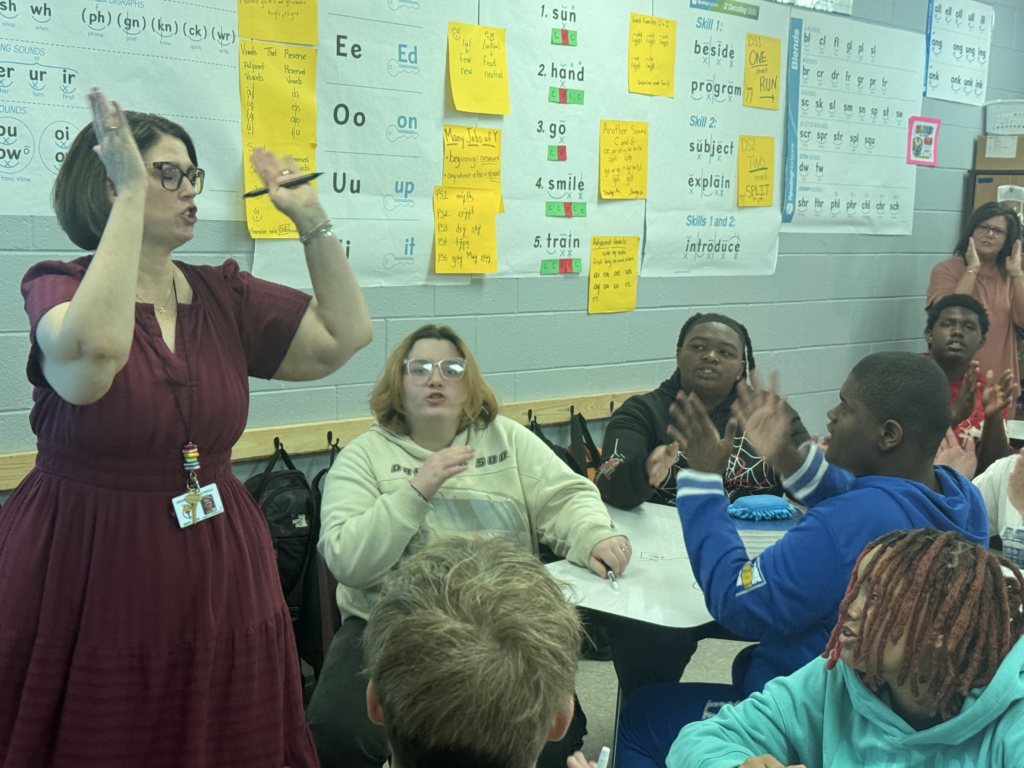
MARY (caller): I just want to say I'm a first year teacher at one of the largest public high schools in San Antonio, and during my first year, I somehow managed to receive all of the special education students in the ninth grade because they thought it would be a good idea to stack them.
Out of 175 students, I have 70 special education students, and they range in disability. But some of them have been coming from middle schools where they have back units, which are behavior units, and essentially they're put in a room with seven other students, and they're sort of left to do their, you know, screaming or their - whatever their behavior issue is categorized as.
And then all of a sudden, in high school they get thrown into a classroom with 30 other students, and they're expected to behave, so...
JENNIFER LUDDEN (host): How's it going?
MARY: It's been - it has been a very steep learning curve. I mean, like I said, it's still my - it's my first year. So in addition to all the normal first-year-teacher learning, I also have an incredible amount of special needs students, and...
LUDDEN: And were - did you, Mary, did you get any training for the special needs kids specifically?
MARY: No, I did not. I just had to be certified, which meant I had to take a test.
LUDDEN: Oh, OK. So what would you have liked to have seen done differently there?
MARY: Well, I know for a fact that I needed more training. I did not know - I mean, I've learned a lot this year, but walking in day one, I didn't know how to deal with a student who was going to stand up in class and cuss at me for 10 minutes straight. I didn't know how to deal with a student who was really struggling with basic literacy and how to reach them.
I didn't know how to deal with a lot of the situations I've seen. And I have a huge amount of emotionally disturbed students, and I needed more training. I needed so much more training, and I feel like I've really in some ways failed these students this year.
Teaching is such an interesting profession. Teachers are put into classrooms where they inevitably have to deal with issues that would challenge even experienced psychiatrists and other behavioral specialists. It’s amazing what teachers are expected to deal with. Of course not every teacher can get extensive training, but some would be nice.
Teachers need to know how to deal with the behavioral and emotional challenges they are faced with every day in their classrooms. Whether that training comes from the parents of the children in their classrooms, school counselors, school psychologists, or outside consultants – they need to know what to do in difficult situations.
4. Have teachers work together to solve problems created by inclusion.
“So even if she had the best training, I would also want to see her having more support as it related to kids who had challenges in her classrooms. Again, one of the things that's of - the schools that I've done research in that are highly effective, teachers don't teach alone in these schools. They have other teachers that they work with, that they can problem-solve with, that they can figure out what to do with these kids.” – Thomas Hehir
Two heads are always better than one. Setting up collaboration between teachers can allow them to solve problems they have never faced. Teacher collaboration also allows teachers to share what has worked for them in similar situations.
5. Assign special needs students to experienced teachers.
“In most places there isn't, and I would also say in Mary's case that I think we're very fortunate to have someone with her attitudes going into the education profession. But it is - this is not a good practice that she described of assigning a lot of kids with disabilities to a brand new teacher.” – Thomas Hehir
Since teachers rarely receive formal training for working with special needs students, undoubtedly, it is a better to assign these students to experienced teachers that have dealt with the issues that these students can bring to the classroom. Brand new teachers should not be assigned more than a few special needs students as they are being acclimated to the profession.
6. Do not segregate students in prior grades.
“And also her description of these kids being segregated up until they went into high school is also very problematic. How are these going to learn the behaviors they need to have in school but I would also say in life if they're placed in a segregated classroom with only kids like them?” – Thomas Hehir
If special needs students are going to attend mainstream classrooms, they need to do so at every grade level. You cannot expect them to suddenly adjust because they are in a higher grade.
~
It is important to note, that not only do these best practices and the mainstreaming of special needs students benefit the special needs students, it benefits every student:
“But one of the things that we found in this study was that - and this is from the teacher interviews, and this is very deeply felt by the teachers. When they have figured out how to effectively educate kids who have various types of academic and behavioral challenges in typical classrooms, they feel that their classrooms are better for all kids.” – Thomas Hehir
I strongly agree. As I read the interview my mind was flooded with memories and experiences I had throughout my education with special needs students. In the moment I may have been frustrated that class didn’t move as quickly as I would have preferred because of questions or disruptions from special needs students, but I am so grateful to have learned patience and tolerance for those students.
I’m grateful that I had the opportunity to see their gifts as well. To see their humor, to see the simple things that made them happy, to see their intelligence, their innocence - those are memories I’ll never forget. The strength of those memories makes me realize how much I truly did learn from them. Lessons that were far more valuable than any fact or skill I learned in school.